
General Dentistry
5 mins

Dentex Team
24/06/2026
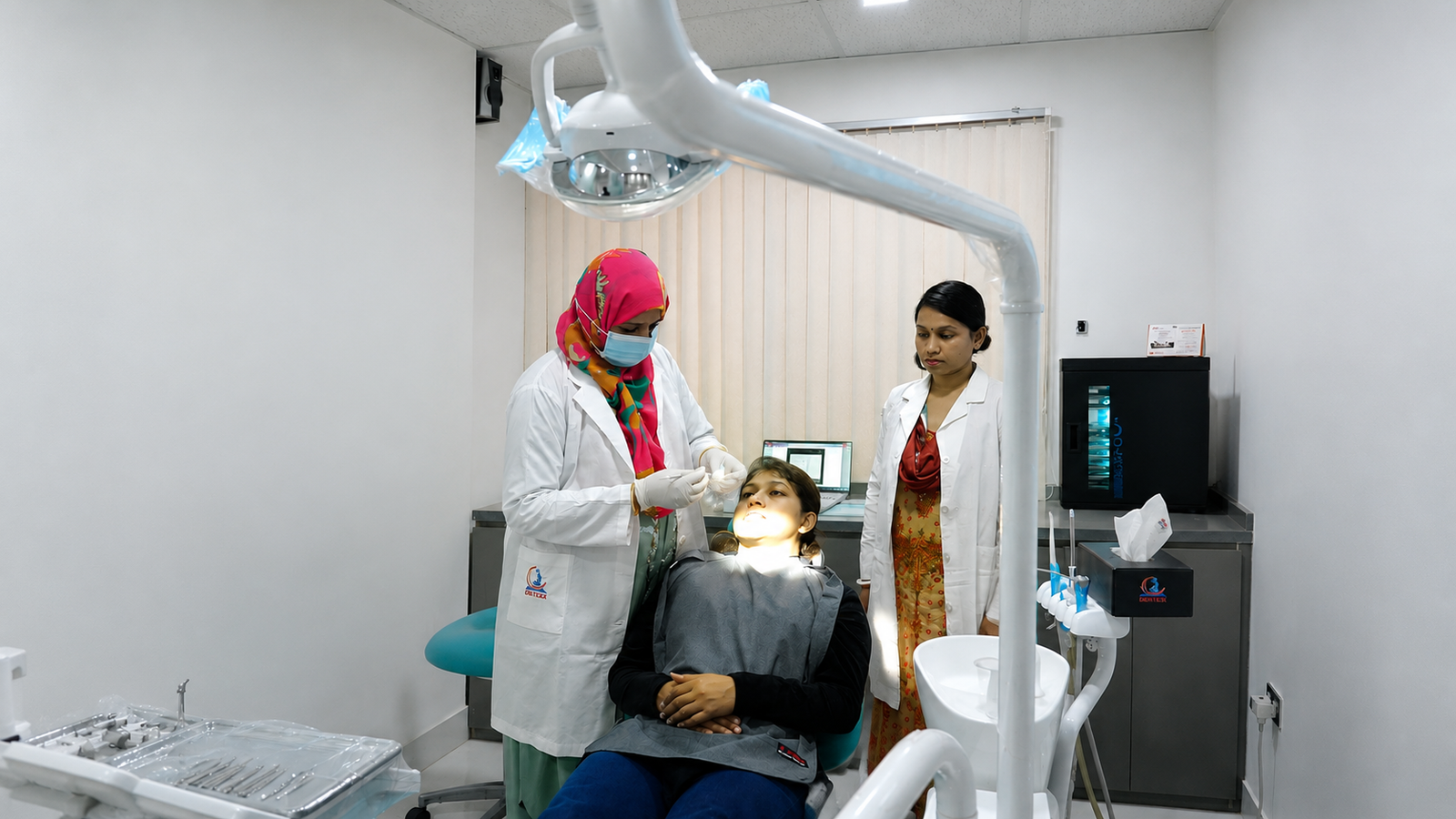
Many people only visit a dentist when they experience severe pain or discomfort. Unfortunately, by the time symptoms become obvious, a small dental problem may have already developed into a more serious condition. Regular dental checkups are not just about treating problems. They are about preventing them before they become painful, expensive, or difficult to manage.
Your mouth often gives early warning signs when something is wrong. Paying attention to these signals can help protect your teeth, gums, and overall oral health. Here are seven common signs that indicate it may be time to schedule a professional dental checkup.
Tooth pain is one of the most common reasons people seek dental care, but it should never be ignored. Whether the pain is sharp, dull, constant, or occasional, it often signals that something needs professional attention.
You may notice discomfort when eating hot or cold foods, drinking sweet beverages, or biting down. Tooth sensitivity can result from worn enamel, cavities, exposed tooth roots, cracked teeth, or even gum recession.
While over the counter toothpaste for sensitive teeth may temporarily reduce discomfort, it does not address the underlying cause. A professional dental examination can identify the source of the problem and recommend the most appropriate treatment before it worsens.
Healthy gums should not bleed during brushing or flossing. If you notice blood in the sink after brushing or your gums appear swollen, tender, or red, these may be early signs of gum disease.
Gingivitis is the earliest stage of gum disease and is often reversible with professional cleaning and improved oral hygiene. If left untreated, it can progress to periodontitis, a more advanced condition that can damage the bone supporting your teeth and eventually lead to tooth loss.
A dental checkup allows your dentist to assess the health of your gums, remove plaque and tartar buildup, and provide personalized recommendations to keep your gums healthy.
Everyone experiences bad breath occasionally, especially after eating certain foods. However, if bad breath continues despite regular brushing, flossing, and mouthwash, it could be a sign of an underlying dental issue.
Persistent bad breath may be caused by plaque buildup, gum disease, tooth decay, dry mouth, or oral infections. In some cases, it may even be linked to certain medical conditions.
A dentist can identify the root cause and recommend the right treatment rather than simply masking the odor with mouthwash or chewing gum.
Adult teeth should remain stable throughout life. If you notice a tooth becoming loose, shifting position, or changes in the way your teeth fit together when you bite, you should arrange a dental appointment as soon as possible.
Loose teeth may result from advanced gum disease, bone loss, injury, or other dental conditions. Changes in your bite may also indicate tooth wear, jaw problems, or movement caused by missing teeth.
Early diagnosis gives your dentist the best opportunity to preserve your natural teeth and restore proper function before the problem becomes more severe.
Not every dental issue causes pain. Small chips, cracks, discoloration, or worn edges may seem like cosmetic concerns, but they can also affect the strength and health of your teeth.
Tiny cracks can allow bacteria to enter the tooth, increasing the risk of decay or infection. Stained teeth may sometimes indicate surface discoloration, but in other cases they can be linked to internal changes within the tooth.
A professional dental evaluation can determine whether you need preventive treatment, cosmetic enhancement, or restorative care to protect your smile.
Eating should never be uncomfortable. If you experience pain while chewing, jaw stiffness, clicking sounds, or difficulty opening and closing your mouth, it is important to have the problem evaluated.
Jaw discomfort may be associated with teeth grinding, temporomandibular joint disorders, bite misalignment, or dental infections. Ignoring these symptoms can allow the condition to worsen over time.
Your dentist can examine your bite, evaluate your jaw function, and recommend treatment options that improve both comfort and oral health.
Even if your teeth feel perfectly healthy, regular dental checkups remain one of the most important parts of preventive care.
Many dental conditions, including cavities and early gum disease, develop silently without causing noticeable symptoms. During a routine examination, your dentist can identify small issues before they become major problems.
Professional cleaning also removes hardened plaque and tartar that cannot be eliminated through brushing and flossing alone. Maintaining regular visits helps reduce the risk of future dental complications while supporting long term oral health.
Preventive dentistry focuses on protecting your oral health before problems develop. Routine checkups allow dentists to detect early signs of decay, gum disease, enamel wear, and other conditions while they are easier to treat.
Preventive care offers several important benefits:
Early detection of dental problems
Reduced risk of tooth loss
Healthier gums and fresher breath
Lower treatment costs over time
Better overall oral health
Greater confidence in your smile
Regular dental visits are an investment in both your oral health and your overall well being.
While professional dental care is essential, your daily habits also play a major role in maintaining a healthy smile.
Follow these simple practices every day:
Brush your teeth twice daily using fluoride toothpaste.
Floss once every day to remove plaque between teeth.
Limit sugary snacks and drinks.
Drink plenty of water throughout the day.
Avoid smoking and tobacco products.
Replace your toothbrush every three to four months.
Schedule routine dental examinations even when you feel fine.
These small habits can significantly reduce your risk of cavities, gum disease, and other common dental problems.
If you notice any of the signs discussed above, it is best not to wait until the discomfort becomes severe. Early diagnosis often leads to simpler, more comfortable, and more affordable treatment.
A dental checkup provides an opportunity to discuss any concerns, evaluate your oral health, and receive personalized recommendations based on your individual needs. Whether you require preventive care, restorative treatment, or cosmetic solutions, timely professional attention can make a significant difference.
Your mouth often provides important clues about your overall oral health. Persistent pain, bleeding gums, bad breath, loose teeth, visible damage, jaw discomfort, or simply missing routine checkups are all reasons to visit your dentist.
Remember that the goal of regular dental care is not only to treat problems but also to prevent them. Early intervention helps protect your natural teeth, maintain healthy gums, and keep your smile looking and feeling its best for years to come.
If you have noticed any of these warning signs, consider scheduling a professional dental checkup. Taking action today can help you avoid more complex dental problems tomorrow and keep your smile healthy, comfortable, and confident.