
22/01/2026
4 min read
Why Do My Gums Bleed When I Brush? Causes, Care, and When to Worry
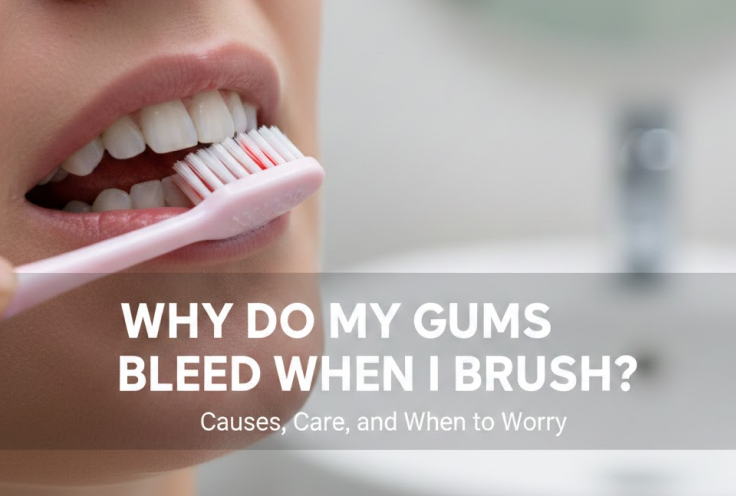
Seeing blood on your toothbrush can be alarming, even if there is no pain. Many people wonder whether bleeding gums are normal or a sign of something serious. In reality, bleeding gums are common, but they should never be ignored. Understanding why it happens and how to respond early can help protect your long-term oral health.
Symptoms and Causes of Bleeding Gums
Bleeding gums usually indicate inflammation or irritation. The cause can range from simple hygiene issues to underlying gum disease.
Common Symptoms You May Notice
- Blood while brushing or flossing
- Red, swollen, or tender gums
- Bad breath that does not improve with brushing
- Gums that look shiny or feel sore
- Gum recession (gums pulling away from teeth)
Common Causes of Bleeding Gums
1. Plaque Buildup (Most Common Cause)
Plaque is a sticky film of bacteria that forms on teeth daily. If not removed properly, it irritates the gums and causes inflammation, leading to bleeding during brushing.
2. Gingivitis (Early Gum Disease)
Gingivitis is the early stage of gum disease. It causes redness, swelling, and bleeding but is usually reversible with proper care.
Simple meaning: Gingivitis = early gum inflammation.
3. Brushing Too Hard or Using a Hard Toothbrush
Aggressive brushing or hard bristles can injure delicate gum tissue, causing bleeding even if the gums are otherwise healthy.
4. Poor Flossing Habits
Not flossing allows bacteria to grow between teeth. Starting flossing after a long gap may cause temporary bleeding, but this usually improves with consistency.
5. Hormonal Changes
Pregnancy, puberty, and menopause can make gums more sensitive and prone to bleeding due to hormonal fluctuations.
6. Vitamin Deficiencies
Lack of Vitamin C or Vitamin K can affect gum health and healing, increasing the likelihood of bleeding.
7. Smoking or Tobacco Use
Smoking reduces blood flow to gums and weakens the body’s ability to fight infection, increasing gum disease risk.
8. Certain Medical Conditions or Medications
Diabetes, blood disorders, and some medications (such as blood thinners) may contribute to gum bleeding.
Care, Prevention, and Practical Tips
Bleeding gums often improve with consistent and gentle oral care. Small daily changes can make a significant difference.
Daily Oral Care Tips
- Brush twice daily using a soft-bristled toothbrush
- Use gentle, circular motions instead of aggressive scrubbing
- Replace your toothbrush every 3 months
- Floss daily to clean between teeth
- Use fluoride toothpaste to strengthen enamel
Lifestyle and Habit Improvements
- Avoid tobacco products
- Drink plenty of water to reduce bacterial buildup
- Eat a balanced diet rich in fruits and vegetables
- Limit sugary and acidic foods
- Rinse your mouth after meals if brushing is not possible
Professional Dental Care
- Schedule regular dental check-ups and cleanings
- Professional scaling removes hardened plaque (tartar) that brushing cannot
- Early treatment prevents progression to advanced gum disease
Important note: Home remedies may offer temporary relief but do not replace professional dental evaluation.
When Should You Worry and See a Dentist?
While occasional mild bleeding may improve with better care, some signs should not be ignored.
Red Flags That Require Dental Attention
- Bleeding that continues for more than 1–2 weeks
- Gums that bleed easily with light brushing
- Persistent bad breath along with bleeding
- Gum swelling, pain, or pus
- Loose teeth or gum recession
- Bleeding combined with fever or discomfort
These signs may indicate progressing gum disease or another underlying condition that needs professional treatment.
Summary and Positive Takeaway
Bleeding gums are common but not normal. In most cases, they are an early warning sign rather than a serious problem. With proper oral hygiene, healthy habits, and timely dental care, gum bleeding can often be reversed. The key is to act early and avoid ignoring repeated symptoms.
Healthy gums are the foundation of a healthy smile, and caring for them protects not just your teeth but your overall well-being.
If your gums bleed when you brush, a simple dental check-up can help identify the cause and prevent future problems. Book an appointment at Dentex today or call 01868-980020 for professional guidance and care.
References
American Dental Association (ADA) – Gum Disease and Gingivitis
Mayo Clinic – Gingivitis Symptoms and Causes
National Institute of Dental and Craniofacial Research (NIDCR) – Gum Disease