
General Dentistry
5 mins

Dentex Team
24/06/2026
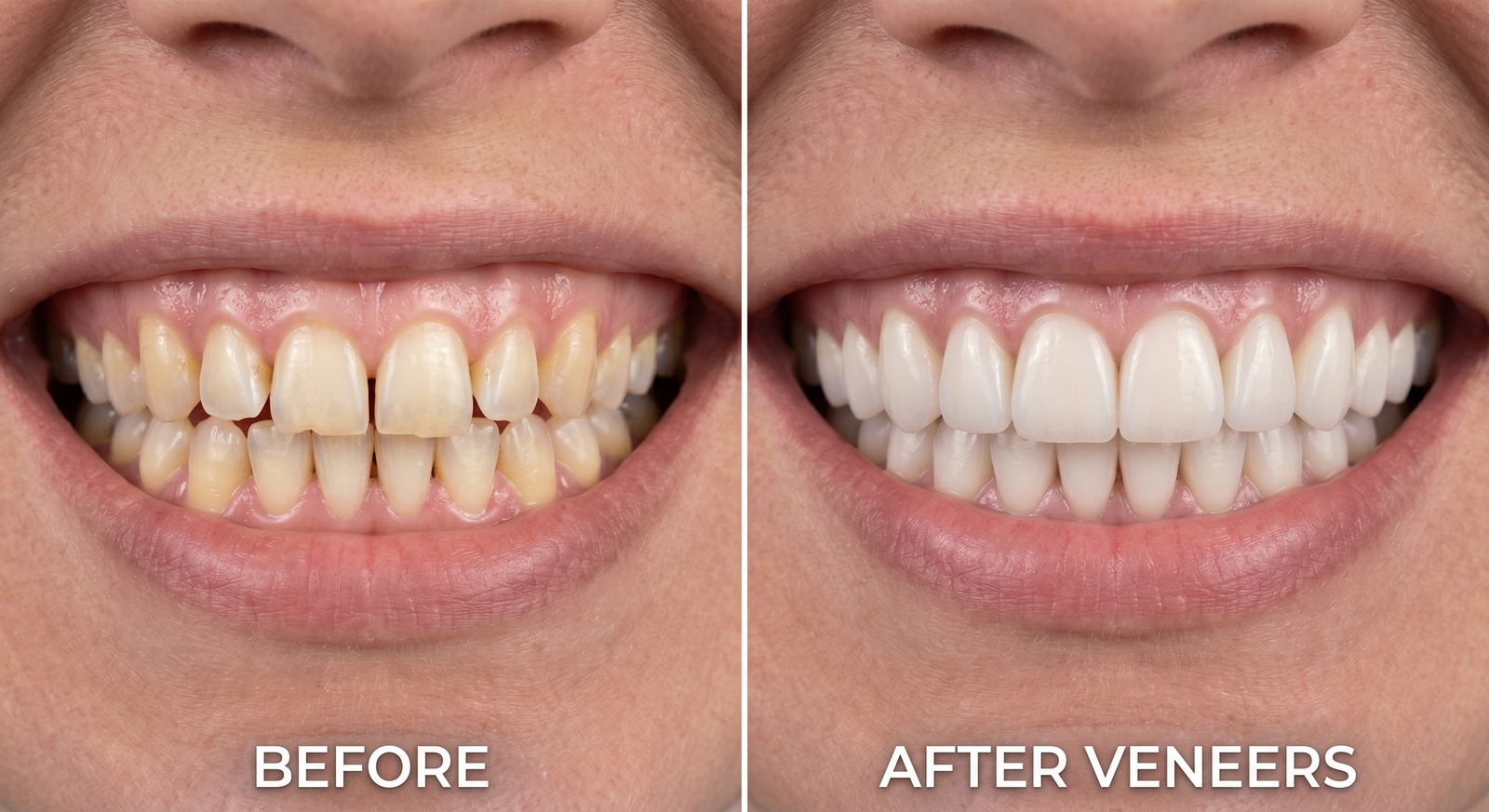
A beautiful smile can leave a lasting impression, but not everyone is born with perfectly shaped or evenly colored teeth. Stains, chipped teeth, small gaps, worn edges, or uneven shapes can make people feel less confident about smiling. Fortunately, modern cosmetic dentistry offers solutions that can dramatically improve the appearance of your smile while maintaining a natural look.
One of the most popular cosmetic dental treatments today is dental veneers. They have become a preferred choice for patients who want to transform their smiles without undergoing extensive dental procedures. However, before deciding on veneers, it is important to understand what they are, who they are suitable for, and what you can expect throughout the treatment process.
This guide covers everything you need to know before getting dental veneers.
Dental veneers are thin, custom-made shells that are bonded to the front surface of your teeth. They are designed to improve the color, shape, size, and overall appearance of your smile while blending naturally with your surrounding teeth.
Depending on your individual needs, veneers can be made from different materials, with porcelain being the most popular option due to its durability and lifelike appearance. Composite resin veneers are another option that may be suitable in certain cases.
Because every smile is unique, veneers are carefully designed to complement your facial features and create a balanced, natural-looking result.
Dental veneers are a versatile cosmetic solution that can address several aesthetic concerns, including:
Discolored teeth that do not respond well to whitening
Chipped or cracked teeth
Worn-down teeth
Small gaps between teeth
Uneven or irregularly shaped teeth
Minor misalignment
Teeth that appear too small or disproportionate
While veneers are excellent for cosmetic improvements, they are not a replacement for orthodontic treatment or restorative procedures when significant dental problems exist.
Not everyone is an ideal candidate for veneers. A dentist will first evaluate your oral health before recommending treatment.
Generally, good candidates include people who have:
Healthy teeth and gums
Good oral hygiene habits
Sufficient enamel for bonding
Realistic expectations about the results
Cosmetic concerns rather than major structural damage
Patients with untreated cavities, active gum disease, or severe teeth grinding may require additional treatment before veneers can be considered.
Porcelain veneers are considered the gold standard in cosmetic dentistry.
They offer several advantages:
Highly natural appearance
Excellent stain resistance
Long-lasting durability
Strong and reliable bonding
Customized to match your smile
Although porcelain veneers typically require two or more visits, they provide beautiful, long-term results when properly maintained.
Composite veneers are made from tooth-colored resin applied directly to the teeth.
Benefits include:
Usually completed in one visit
More affordable than porcelain
Easier to repair if damaged
Conservative treatment option
However, composite veneers are generally less stain resistant and may not last as long as porcelain veneers.
Understanding the treatment process can help you feel more confident before your appointment.
Your dentist begins by discussing your smile goals, examining your teeth, and determining whether veneers are the best option.
Photographs, digital scans, or X-rays may be taken to assist with treatment planning.
The dentist carefully evaluates factors such as:
Tooth size
Tooth shape
Facial proportions
Lip position
Bite alignment
Smile symmetry
This personalized planning ensures the final result complements your overall appearance rather than looking artificial.
In many cases, a very small amount of enamel is gently removed from the front surface of the teeth to create space for the veneers.
This step allows the veneers to fit naturally without making the teeth appear bulky.
Digital scans or dental impressions are taken and sent to a dental laboratory where your custom veneers are fabricated.
Temporary veneers may be placed while the permanent ones are being created.
Once the veneers are ready, your dentist checks their fit, color, and appearance before permanently bonding them to your teeth.
Any final adjustments are made to ensure comfort and a natural bite.
The lifespan of veneers depends on several factors, including the material used, your oral hygiene, and your daily habits.
On average:
Porcelain veneers often last 10 to 15 years or even longer.
Composite veneers generally last 5 to 7 years.
Regular dental checkups and proper care can significantly extend their lifespan.
Although veneers are durable, they still require proper maintenance.
To keep them looking their best:
Brush twice daily using a soft-bristled toothbrush.
Floss every day.
Attend regular dental checkups.
Avoid biting hard objects such as ice or pens.
Wear a night guard if you grind your teeth.
Limit foods and drinks that may stain natural teeth.
Maintain good overall oral hygiene.
Proper care not only protects your veneers but also keeps your natural teeth and gums healthy.
Dental veneers offer numerous advantages beyond improving appearance.
Modern veneers closely resemble natural tooth enamel, making it difficult for others to notice you have had cosmetic treatment.
Many patients report feeling more comfortable smiling, speaking, and taking photographs after completing treatment.
Compared to crowns, veneers usually require less removal of healthy tooth structure.
Porcelain veneers are highly resistant to staining from coffee, tea, and other common foods.
Every veneer is individually crafted to suit your facial features, skin tone, and personal preferences.
Like any dental procedure, veneers have some considerations.
These may include:
Mild temporary tooth sensitivity
The treatment is generally irreversible because a small amount of enamel is removed
Veneers can chip or crack if subjected to excessive force
They may eventually require replacement after many years
Choosing an experienced dentist greatly reduces these risks and helps achieve predictable, long-lasting results.
Modern veneers are individually designed to match your natural teeth. When performed by an experienced dentist, they appear remarkably realistic.
Only a minimal amount of enamel is removed, and the procedure is carefully planned to preserve as much natural tooth structure as possible.
Veneers do not require complicated care. Good brushing, flossing, and regular dental visits are usually enough.
People from all walks of life choose veneers to improve their smiles. Cosmetic dentistry has become much more accessible than it once was.
Before beginning treatment, consider asking your dentist:
Am I a good candidate for veneers?
Should I choose porcelain or composite veneers?
How many veneers will I need?
What results can I realistically expect?
How long will my veneers last?
How should I care for them?
Are there any alternative treatments available?
Having an open discussion helps you make an informed decision based on your personal goals.
Dental veneers are one of the most effective cosmetic dental treatments available today for enhancing the appearance of your smile. They can correct discoloration, chips, small gaps, uneven teeth, and other aesthetic concerns while delivering natural-looking, long-lasting results.
However, veneers are not a one-size-fits-all solution. The best outcome begins with a comprehensive consultation and a personalized treatment plan tailored to your smile.
If you have been thinking about improving your smile, speaking with an experienced cosmetic dentist is the first step toward understanding whether dental veneers are the right choice for you. With proper planning, expert care, and good oral hygiene, veneers can provide a confident, beautiful smile that lasts for many years.