
General Dentistry
5 Min

Team Dentex
28/02/2026
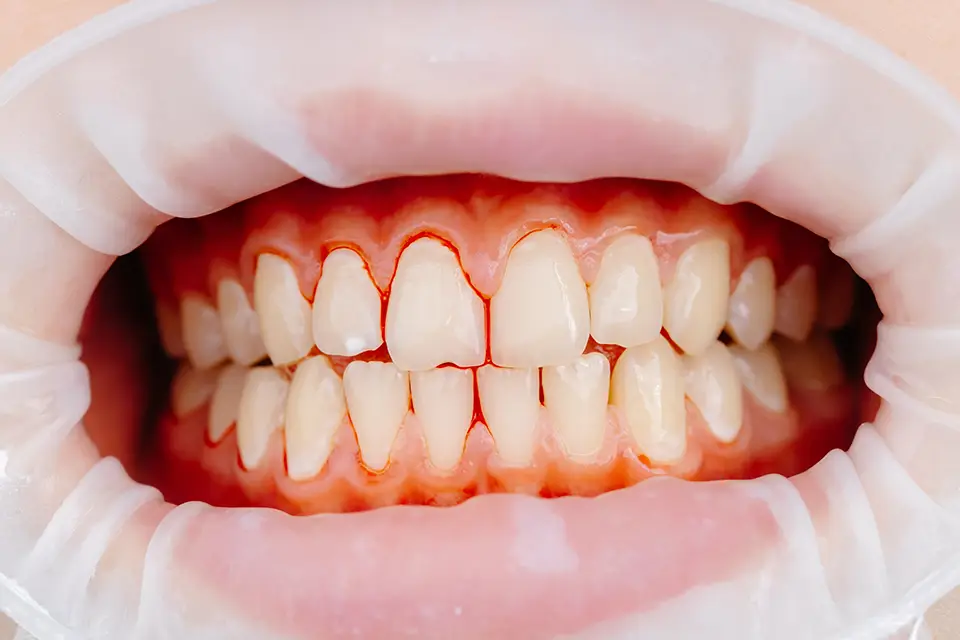
Healthy gums are essential for maintaining strong teeth and a healthy smile. However, gum disease often develops silently, with mild symptoms that many people overlook. A little bleeding while brushing or slight gum tenderness may seem harmless, but these could be the early signs of gum disease.
The good news is that gum disease is highly treatable when detected early. Ignoring the warning signs, however, can allow the condition to progress, potentially leading to gum recession, loose teeth, and even tooth loss.
In this guide, you'll learn how to recognize the early symptoms of gum disease, understand what causes it, explore available treatment options, and discover simple ways to keep your gums healthy.
Gum disease, also known as periodontal disease, is an infection of the tissues that support your teeth. It begins when plaque, a sticky film of bacteria, builds up along the gumline.
The earliest stage of gum disease is called gingivitis. At this stage, the condition is usually reversible with proper oral hygiene and professional dental care. If left untreated, it can progress to periodontitis, a more serious condition that may damage the bone supporting the teeth.
The most common cause of gum disease is poor oral hygiene, which allows plaque and bacteria to accumulate around the teeth and gums.
Other contributing factors include:
Inadequate brushing and flossing
Smoking or tobacco use
Diabetes
Hormonal changes
Certain medications that reduce saliva
Dry mouth
A weakened immune system
Family history of gum disease
Understanding these risk factors can help you take preventive measures before symptoms develop.
Recognizing the warning signs early can prevent more serious dental complications.
One of the earliest and most common gum disease symptoms is bleeding gums, especially while brushing or flossing.
Healthy gums should not bleed during routine oral hygiene. Persistent bleeding often indicates inflammation caused by plaque buildup.
Healthy gums are typically firm and pink.
If your gums appear red gums or swollen, it may be an early indication of gingivitis. Swelling occurs because your body's immune system is responding to bacterial infection.
Bad breath that doesn't improve with brushing or mouthwash may be linked to bacteria beneath the gumline.
Many people don't realize the connection between bad breath and gum disease. As bacteria accumulate, they release unpleasant-smelling compounds that cause chronic bad breath.
If your gums feel sore when brushing, flossing, or eating certain foods, inflammation may already be developing.
Tender gums should not be ignored, especially if the discomfort continues for several days.
Another important warning sign is receding gums, where the gum tissue gradually pulls away from the teeth.
As the roots become exposed, you may notice increased tooth sensitivity and your teeth may appear longer than before.
Visible plaque or hardened tartar along the gumline creates an ideal environment for bacteria to thrive, increasing the risk of gum disease.
Professional dental cleaning is often necessary to remove tartar safely.
Many people use these terms interchangeably, but they are different stages of the same disease.
Gingivitis symptoms include:
Bleeding gums
Mild swelling
Gum redness
Tenderness
Bad breath
At this stage, the damage is generally reversible.
If gingivitis is left untreated, it may progress to periodontitis.
Symptoms may include:
Deep gum pockets
Loose teeth
Bone loss
Gum recession
Pain while chewing
Tooth loss
Early diagnosis greatly reduces the risk of reaching this advanced stage.
A dentist can usually identify early gum disease during a routine examination.
The evaluation may include:
Checking for bleeding and inflammation
Measuring the depth of gum pockets
Looking for plaque and tartar buildup
Assessing gum recession
Dental X-rays if advanced disease is suspected
Routine dental check-ups are often the best way to detect gum disease before significant damage occurs.
The most effective early gum disease treatment depends on how advanced the condition is.
Removing plaque and tartar is usually the first step. Professional cleaning helps eliminate bacteria that cannot be removed through brushing alone.
Your dentist may recommend:
Brushing twice daily with fluoride toothpaste
Daily flossing
Using an antibacterial mouthwash if appropriate
Cleaning along the gumline carefully
If plaque has spread below the gums, a deep cleaning procedure called scaling and root planing may be recommended to remove bacteria and help the gums heal.
Certain lifestyle improvements can also support healthier gums:
Stop smoking
Eat a balanced diet
Stay hydrated
Control medical conditions such as diabetes
Attend regular dental check-ups
Yes. Most cases of gum disease can be prevented with consistent oral care.
Helpful habits include:
Brush your teeth twice a day.
Floss every day.
Clean your tongue regularly.
Visit your dentist every six months.
Limit sugary foods and drinks.
Avoid tobacco products.
Replace your toothbrush every three months.
Small daily habits can significantly reduce your risk of developing gum disease.
Schedule a dental appointment if you notice:
Bleeding gums that continue for several days
Persistent bad breath
Swollen or red gums
Gum pain
Receding gums
Loose teeth
Pus around the gums
Seeking treatment early is the best way to prevent permanent damage to your gums and supporting bone.
The earliest signs often include bleeding gums, redness, swelling, persistent bad breath, and tenderness around the gumline.
Yes. Gingivitis, the earliest stage of gum disease, can often be reversed with professional cleaning and good oral hygiene.
Occasional bleeding may occur from brushing too hard, but persistent bleeding is commonly a sign of gum inflammation and should be evaluated by a dentist.
Yes. Bacteria trapped around infected gums often produce unpleasant odors that cause chronic bad breath.
Most people should have a dental examination every six months. Individuals with a higher risk of gum disease may benefit from more frequent visits.
The early signs of gum disease are often subtle, but they should never be ignored. Bleeding gums, redness, swelling, persistent bad breath, and gum recession are all warning signs that deserve professional attention.
Fortunately, early gum disease is highly treatable. Prompt diagnosis, professional cleaning, and consistent oral hygiene can stop the disease from progressing and help preserve your teeth and gums for years to come.
If you've noticed bleeding gums, persistent bad breath, or other early signs of gum disease, don't wait for the condition to worsen. Early treatment is the best way to protect your gums and prevent more serious dental problems.
At DENTEX, our experienced dental professionals provide comprehensive gum evaluations, professional cleanings, and personalized treatment plans to help restore your gum health and maintain a confident smile.
Book your appointment with DENTEX today and take the first step toward healthier gums and better oral health.
Gum disease is a common but preventable condition that begins with plaque buildup along the gumline. The earliest stage, known as gingivitis, often causes bleeding gums, redness, swelling, tenderness, persistent bad breath, and, in some cases, receding gums. Because these symptoms are usually mild, many people ignore them until the disease progresses into periodontitis, which can damage the supporting bone and eventually lead to tooth loss. Fortunately, early gum disease is highly treatable through professional dental cleaning, improved oral hygiene, and regular dental check-ups. Brushing twice daily, flossing every day, maintaining a healthy lifestyle, and avoiding tobacco products can significantly reduce the risk of gum disease. Recognizing the warning signs early and seeking timely treatment are essential for protecting your oral health. If you notice ongoing bleeding while brushing, swollen gums, or persistent bad breath, a professional dental examination is recommended. At DENTEX, our experienced dental team can diagnose gum disease in its early stages and provide personalized treatment to restore healthy gums, prevent complications, and help you maintain a strong, confident smile.