
General Dentistry
5 mins

Dentex Team
24/06/2026
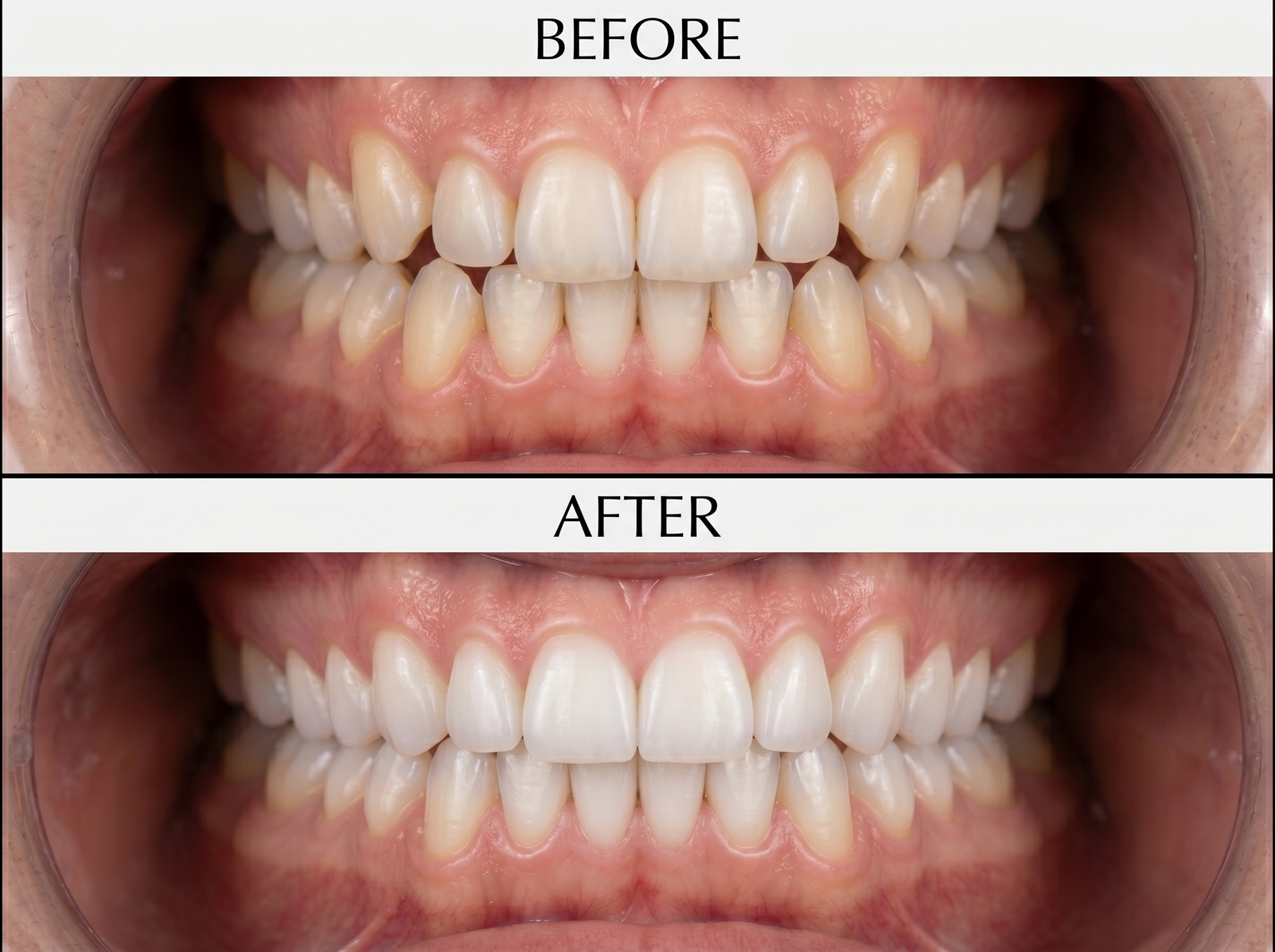
A healthy smile is about much more than having white teeth. It is closely connected to your overall oral health, confidence, and quality of life. While many people visit a dentist only when they experience pain or discomfort, preventive dental care is one of the best ways to avoid serious problems before they begin.
Among the most common preventive dental treatments are scaling and polishing. Although many people consider these procedures to be optional or purely cosmetic, they actually play a vital role in maintaining healthy teeth and gums. Regular professional cleaning helps remove harmful plaque and tartar that cannot be eliminated through brushing and flossing alone.
If you have ever wondered whether scaling and polishing are really necessary, this guide will help you understand why they are one of the most important steps you can take for your long term oral health.
Scaling and polishing are two separate procedures that are usually performed together during a professional dental cleaning appointment.
Scaling is the process of removing plaque, tartar, and bacteria from the surface of the teeth and around the gum line. Dentists use specialized instruments to clean areas that are difficult to reach with a toothbrush.
Plaque is a sticky layer of bacteria that forms on your teeth every day. If it is not removed regularly, it hardens into tartar. Unlike plaque, tartar cannot be removed at home with brushing or flossing. It requires professional dental treatment.
After scaling, the teeth are polished using a special polishing paste and rotating instrument. Polishing smooths the tooth surface, removes minor surface stains, and makes it more difficult for plaque to accumulate quickly.
The result is a cleaner, smoother, and brighter smile.
Brushing twice a day and flossing regularly are essential for maintaining good oral hygiene. However, even people with excellent brushing habits can develop plaque and tartar in hard to reach areas.
Common places where plaque builds up include:
Between the teeth
Along the gum line
Behind the back teeth
Around dental restorations such as crowns or bridges
Around orthodontic appliances like braces
Over time, plaque hardens into tartar, creating an ideal environment for bacteria to multiply. Once tartar forms, it cannot be removed with a toothbrush. Professional scaling becomes the only effective solution.
This is why regular dental checkups and professional cleaning remain an important part of maintaining lifelong oral health.
Your mouth often gives early warning signs when professional cleaning is needed. Ignoring these symptoms can allow minor issues to develop into more serious dental conditions.
Some common signs include:
Healthy gums should not bleed while brushing or flossing. Bleeding gums often indicate inflammation caused by plaque buildup.
Bad breath that continues despite regular brushing may be caused by bacteria trapped beneath tartar deposits.
Tea, coffee, soft drinks, smoking, and certain foods can leave stains on the surface of the teeth. Professional polishing can significantly improve their appearance.
If your teeth no longer feel smooth when you run your tongue across them, tartar buildup may be present.
Inflamed gums often become swollen, red, and sensitive. Early treatment can help prevent more advanced gum disease.
Even if you have no symptoms, routine professional cleaning every six months helps maintain healthy teeth and gums.
Professional dental cleaning offers far more than cosmetic improvements. It helps protect your oral health in several important ways.
Removing plaque and tartar reduces inflammation and allows the gums to heal. Healthy gums provide a strong foundation for healthy teeth.
Many cases of persistent bad breath are caused by bacteria that accumulate beneath tartar. Professional cleaning removes these bacteria and helps keep your breath fresh.
Scaling removes stains caused by food, beverages, and smoking. Polishing enhances the appearance of your teeth by giving them a smoother and cleaner finish.
Gum disease often begins with untreated plaque and tartar. Regular scaling significantly reduces the risk of gingivitis and periodontitis.
Plaque contains bacteria that produce acids capable of damaging tooth enamel. Removing plaque lowers the risk of cavities.
Maintaining clean teeth and healthy gums supports stronger teeth and reduces the likelihood of future dental treatments.
One of the most common concerns patients have is whether scaling will be painful.
In most cases, scaling is a comfortable procedure. You may experience mild sensitivity, especially if there is significant tartar buildup or if your gums are already inflamed. Modern dental techniques and instruments make the process gentle and effective.
Any minor sensitivity usually disappears within a short period after treatment.
If you have sensitive teeth, your dentist can recommend ways to make the procedure even more comfortable.
Professional scaling does not damage healthy teeth. It removes harmful deposits that can lead to serious dental problems.
After tartar is removed, some people notice spaces that were previously filled with hardened deposits. The treatment does not create these gaps. It simply reveals the natural shape of your teeth.
Everyone develops plaque every day. Even individuals with excellent oral hygiene benefit from regular professional cleaning.
Scaling helps protect your teeth by preventing gum disease and reducing harmful bacteria. It strengthens your overall oral health rather than weakening it.
For most adults, professional scaling and polishing every six months is recommended.
However, some patients may require more frequent visits depending on factors such as:
Gum disease
Heavy tartar buildup
Smoking
Diabetes
Orthodontic treatment
Increased risk of cavities
Your dentist will recommend a schedule that matches your individual needs.
Professional cleaning is only one part of maintaining a healthy smile. Good daily habits are equally important.
To keep your teeth clean after scaling and polishing:
Brush your teeth twice every day using fluoride toothpaste.
Floss daily to remove plaque between teeth.
Limit sugary foods and drinks.
Drink plenty of water throughout the day.
Avoid tobacco products.
Visit your dentist regularly for routine examinations and cleanings.
Small daily habits can make a significant difference in your long term oral health.
Do not wait until you experience severe pain before scheduling a dental appointment.
Consider visiting your dentist if you notice:
Bleeding gums
Persistent bad breath
Tooth sensitivity
Visible tartar buildup
Loose teeth
Swollen or painful gums
Stains that do not improve with brushing
Early treatment is usually simpler, more comfortable, and more affordable than treating advanced dental problems.
Scaling and polishing are among the simplest yet most valuable preventive dental treatments available today. They help remove harmful plaque and tartar, protect your gums, reduce the risk of tooth decay, freshen your breath, and keep your smile looking its best.
Rather than thinking of professional cleaning as an occasional cosmetic procedure, consider it an essential part of maintaining lifelong oral health. Regular dental visits combined with good oral hygiene at home can help prevent many common dental problems before they become serious.
A cleaner smile is not just about appearance. It is an investment in your health, comfort, and confidence for years to come.