
General Dentistry
5 Min

Team Dentex
20/02/2026
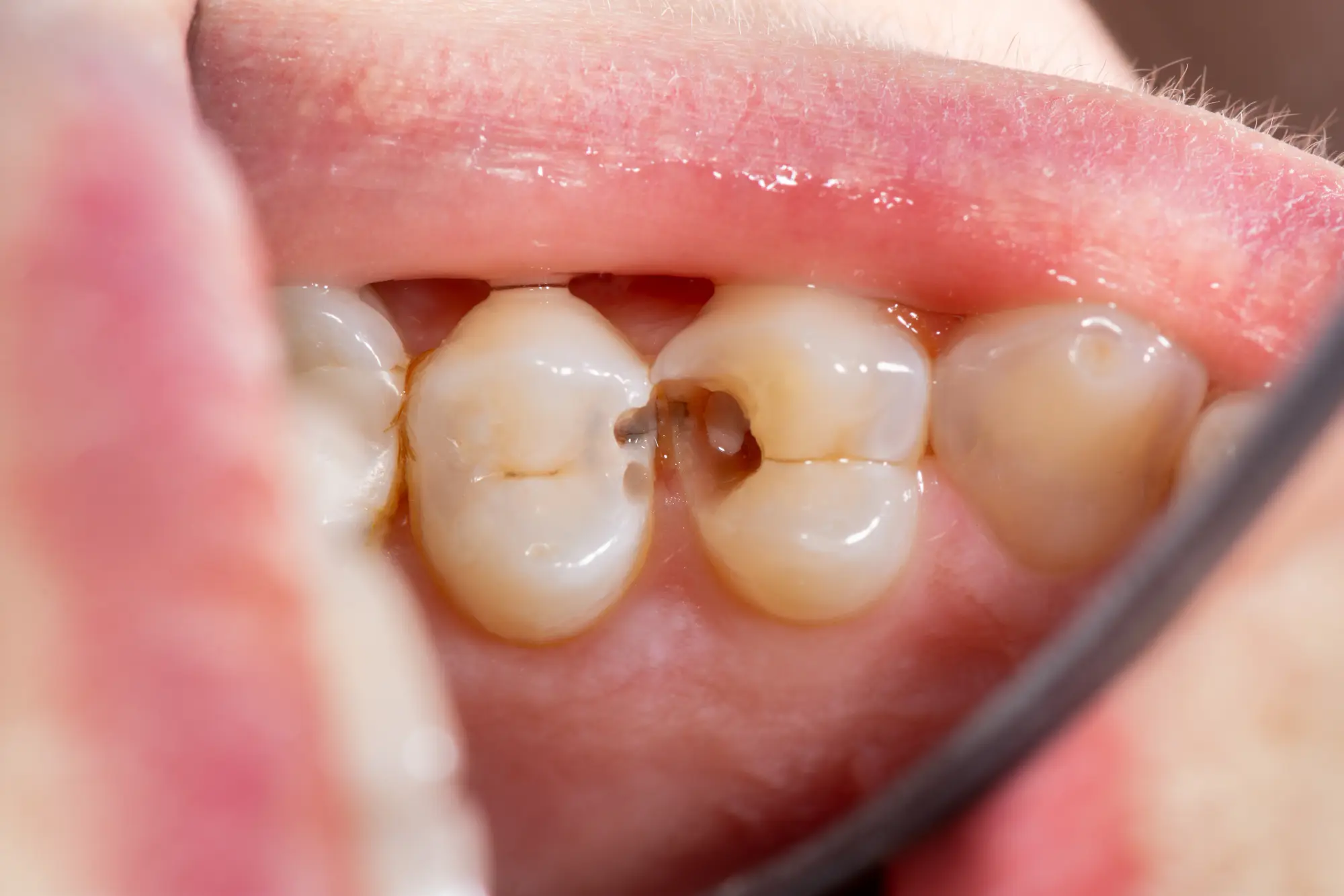
Many people notice a small dark spot on a tooth or experience mild sensitivity and wonder, "Can cavities heal on their own?" It's a common question, especially for those hoping to avoid a dental filling.
The answer isn't always a simple yes or no. While early tooth decay can sometimes be stopped or even reversed, a true dental cavity cannot repair itself once the tooth structure has been permanently damaged.
Understanding the difference between early decay and an actual cavity can help you seek treatment at the right time and prevent more serious dental problems.
In this guide, we'll separate myths from facts, explain how cavities develop, discuss available cavity treatment options, and share practical tips for preventing future tooth decay.
A dental cavity is a permanently damaged area in the tooth caused by acids produced by bacteria. These acids gradually dissolve the protective enamel, creating tiny holes in the tooth.
The cavity develops in stages:
Plaque builds up on the tooth.
Bacteria feed on sugars from food and drinks.
Acids weaken the enamel.
If left untreated, the damage spreads deeper into the tooth.
The earlier tooth decay is detected, the easier it is to manage.
Fact: Once a cavity forms and creates a hole in the tooth, it cannot heal naturally. Brushing is essential for preventing further decay, but it cannot rebuild lost tooth structure.
Fact: Pain may disappear temporarily as the nerve changes or the decay progresses. Unfortunately, this doesn't mean the cavity has healed. In some cases, it may actually indicate that the problem has become more severe.
Fact: Even small cavities continue to grow if left untreated. Early treatment is usually simpler, less invasive, and more affordable than waiting until extensive damage occurs.
Yes, but only during the earliest stage of tooth decay.
When minerals begin to leave the enamel, a process called demineralization occurs. At this stage, there may be white spots on the tooth surface, but no actual hole has formed.
With proper care, the enamel may be strengthened through:
Fluoride toothpaste
Professional fluoride treatment
Improved oral hygiene
Reducing sugary foods and drinks
Drinking fluoridated water when available
This process is known as remineralization, and it may stop or reverse very early enamel damage.
However, once a hole develops in the tooth, can tooth decay be reversed? The answer is generally no. Professional dental treatment becomes necessary.
Once bacteria have destroyed part of the enamel and dentin, the tooth cannot regenerate the lost structure.
Without treatment, the decay can spread deeper into the tooth and lead to:
Persistent toothache
Infection
Dental abscess
Damage to the tooth nerve
Tooth loss
Waiting for a cavity to heal naturally often results in more complex and expensive treatment later.
Not every cavity causes pain in its early stages. That's why regular dental check-ups are important.
Common signs of cavities include:
Tooth sensitivity to hot, cold, or sweet foods
Visible dark spots or holes
Pain while chewing
Persistent toothache
Food frequently getting stuck in one area
Bad breath caused by trapped bacteria
If you notice any of these symptoms, it's best to schedule a dental examination as soon as possible.
The most appropriate tooth decay treatment depends on how advanced the cavity is.
If decay is limited to the enamel and no cavity has formed, professional fluoride treatment may strengthen the tooth and slow or reverse early damage.
For most cavities, tooth filling treatment is the most common solution. The decayed portion of the tooth is removed and replaced with a durable filling material that restores both function and appearance.
When a large portion of the tooth has been damaged, a dental crown may be recommended. A crown covers and protects the remaining tooth structure while restoring strength.
If decay reaches the dental pulp, where the nerves and blood vessels are located, a root canal may be necessary. This procedure removes the infected tissue while preserving the natural tooth whenever possible.
In cases where the tooth cannot be saved, extraction may be the only option. Replacing the missing tooth with an implant or bridge is often recommended to restore function and maintain proper alignment.
Many people search for cavities without filling, hoping for an alternative treatment.
The answer depends on the stage of decay.
If the damage is limited to early enamel demineralization, fluoride therapy and improved oral hygiene may help stop or reverse the process.
However, once a cavity forms, the damaged tooth structure cannot grow back. A filling or another restorative treatment is necessary to restore the tooth and prevent further decay.
Preventing cavities is much easier than treating them.
Here are some simple habits that help protect your teeth:
Brush twice a day with fluoride toothpaste.
Floss daily to remove plaque between teeth.
Limit sugary snacks and drinks.
Drink plenty of water.
Visit your dentist regularly for check-ups and cleanings.
Consider dental sealants if recommended.
Replace your toothbrush every three months.
Consistent oral care significantly lowers your risk of developing cavities.
Fact: Sugar doesn't directly cause cavities. Oral bacteria feed on sugar and produce acids that damage enamel.
Fact: People of all ages can develop cavities, especially if oral hygiene is poor or gums begin to recede.
Fact: Many cavities remain painless until they become advanced. Regular dental check-ups can detect problems before symptoms appear.
Fact: Mouthwash helps reduce bacteria but cannot repair a damaged tooth.
Only very early enamel damage may be reversed through remineralization. Once a cavity forms, professional treatment is required.
Early enamel demineralization may be reversible with fluoride and good oral hygiene. Advanced decay cannot be reversed naturally.
Untreated cavities continue to grow and may eventually lead to severe pain, infection, root canal treatment, or tooth loss.
No. Very early decay may respond to fluoride treatment. However, once a hole forms in the tooth, a filling or another restorative treatment is usually necessary.
Most people benefit from a dental examination and professional cleaning every six months, although your dentist may recommend more frequent visits based on your oral health.
So, can cavities heal on their own? The answer depends on how early the problem is detected. While the earliest stage of tooth decay may be reversible with fluoride and excellent oral hygiene, a true cavity cannot repair itself once permanent damage has occurred.
Delaying treatment often allows decay to spread deeper into the tooth, leading to more complex procedures such as root canal treatment or crowns. The best approach is early diagnosis, timely treatment, and consistent preventive care.
If you think you may have a cavity or are experiencing tooth sensitivity, don't wait for the problem to get worse. Early treatment can help preserve your natural teeth and prevent unnecessary discomfort.
At DENTEX, our experienced dental professionals use modern diagnostic techniques to detect cavities early and recommend the most appropriate treatment for your oral health needs.
Book your appointment with DENTEX today and protect your smile with expert preventive and restorative dental care.
Cavities develop when bacteria in the mouth produce acids that gradually damage tooth enamel. While many people ask whether cavities can heal naturally, the answer depends on the stage of decay. Very early enamel demineralization may be reversed through fluoride treatments, proper oral hygiene, and healthy dietary habits. However, once a hole forms in the tooth, the lost tooth structure cannot regenerate on its own. Professional treatment, such as a dental filling, crown, or root canal, is usually required to stop the decay and restore the tooth. Common signs of cavities include tooth sensitivity, visible holes or dark spots, pain while chewing, and persistent toothaches, although early cavities may not cause any symptoms. Regular dental check-ups are essential because they allow cavities to be detected before they become severe. Preventive measures such as brushing with fluoride toothpaste, flossing daily, limiting sugary foods, and visiting your dentist regularly can significantly reduce the risk of tooth decay. If you suspect you have a cavity, seeking prompt evaluation at DENTEX can help protect your teeth, minimize treatment needs, and maintain a healthy smile for years to come.