
General Dentistry
5 mins

Dentex Team
10/03/2026
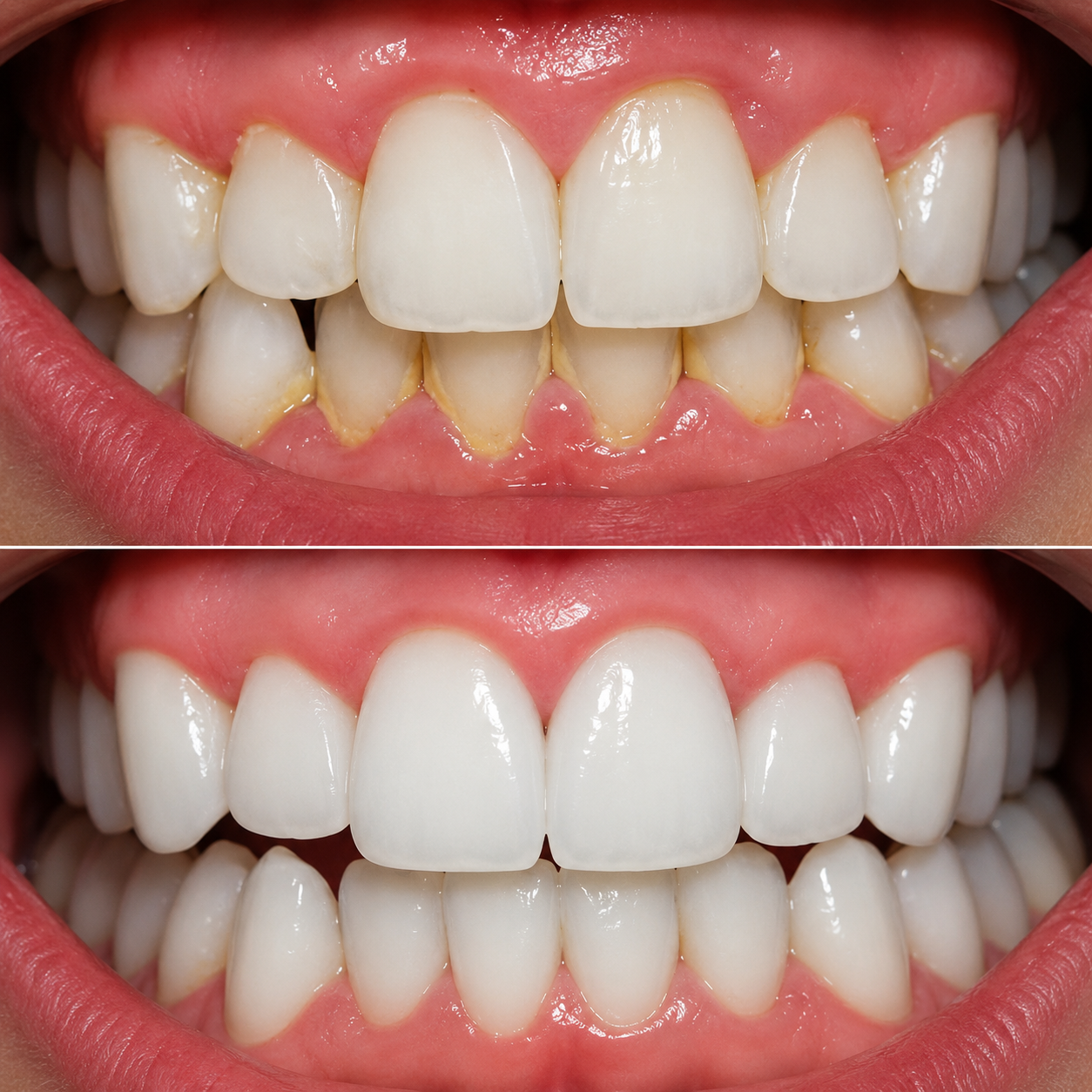
A bright, confident smile can leave a lasting impression. Over time, however, teeth naturally lose some of their brightness due to aging, food, beverages, lifestyle habits, and daily wear. It is one of the most common reasons people consider cosmetic dental treatments. Among the available options, professional teeth whitening remains one of the quickest and most effective ways to improve the appearance of your smile.
Many people have questions before choosing this treatment. Does it really work? Is it safe? How long will the results last? Understanding the process can help you make an informed decision and achieve the best possible outcome.
Teeth whitening is a cosmetic dental procedure that lightens the natural color of your teeth by reducing stains and discoloration. Unlike brushing or using whitening toothpaste, professional whitening treatments work beneath the surface of the enamel to break down stain molecules that have built up over time.
The goal is not to create an artificial white color but to restore a cleaner, brighter, and more natural-looking smile.
To understand how whitening works, it helps to know why teeth change color in the first place.
Coffee, tea, red wine, soft drinks, and deeply colored foods can gradually stain the outer layer of your teeth. These pigments attach to the enamel and become more noticeable over time.
Smoking and chewing tobacco are among the leading causes of yellow and brown stains. Nicotine and tar can penetrate the tooth surface, making discoloration difficult to remove with regular brushing.
As we age, the outer enamel naturally becomes thinner. This allows the yellowish dentin underneath to become more visible, making teeth appear darker.
Inconsistent brushing and flossing allow plaque and stains to accumulate, reducing the natural brightness of your teeth.
Some medications, especially when taken during childhood, may cause intrinsic discoloration that develops within the tooth structure.
A tooth that has experienced injury may darken as it responds to the damage. This type of discoloration often requires professional evaluation.
Professional teeth whitening uses specially formulated whitening agents, usually hydrogen peroxide or carbamide peroxide.
When applied to the teeth, these ingredients release oxygen molecules that penetrate the enamel and break apart stain compounds. As the stains become smaller and less concentrated, the teeth appear noticeably lighter.
Unlike abrasive whitening products that simply scrub surface stains away, professional whitening targets both surface stains and deeper discoloration while preserving the natural tooth structure.
Many whitening products are available in pharmacies and supermarkets, including toothpastes, whitening strips, pens, and gels. While these products may provide mild improvements, they generally contain lower concentrations of whitening ingredients.
Professional whitening offers several advantages.
Dentists use carefully controlled whitening agents that are more effective than most over-the-counter products.
Every smile is different. Your dentist evaluates your teeth, identifies the cause of discoloration, and recommends the most suitable whitening approach.
Professional supervision helps protect your gums and surrounding tissues while minimizing the risk of tooth sensitivity.
Many patients notice a visible improvement after a single professional treatment session.
Professional whitening works best for individuals with healthy teeth and gums who want to improve the appearance of their smile.
You may be a suitable candidate if you have:
Yellow or stained teeth
Surface discoloration caused by food or beverages
Tobacco-related staining
Age-related yellowing
Good overall oral health
However, whitening may not be suitable for everyone.
Patients with untreated cavities, active gum disease, severe tooth sensitivity, or certain types of internal discoloration may require other treatments before whitening.
Dental restorations such as crowns, veneers, and fillings also do not respond to whitening agents. Your dentist will discuss realistic expectations during your consultation.
Although treatment methods may vary slightly, the process generally follows these steps.
Your dentist examines your teeth and gums to ensure whitening is appropriate. Existing dental problems are identified and treated first if necessary.
Professional cleaning removes plaque and surface debris, allowing the whitening agent to work more effectively.
A protective barrier is applied to the gums to prevent irritation during the procedure.
The whitening gel is carefully placed on the teeth for a controlled period of time.
Depending on the system used, the gel may be activated with a specialized light, although many modern whitening systems achieve excellent results without additional light activation.
After treatment, the whitening gel is removed and your dentist evaluates the results while providing aftercare instructions.
One of the most common questions patients ask is how long the results will remain visible.
For many people, professional teeth whitening can last anywhere from six months to two years. The exact duration depends on several factors.
Frequent consumption of coffee, tea, red wine, cola, and strongly pigmented foods may cause stains to return more quickly.
Tobacco use significantly shortens the longevity of whitening results.
Brushing twice daily, flossing regularly, and attending routine dental cleanings help maintain a brighter smile for longer.
Every person's enamel responds differently to whitening treatment, so results vary between individuals.
A few simple habits can help extend the effects of professional whitening.
Brush your teeth twice a day using fluoride toothpaste and floss daily to remove plaque and prevent new stains.
Reduce your intake of coffee, tea, red wine, dark sauces, and colored beverages whenever possible.
If you consume foods or drinks that may stain your teeth, rinsing your mouth with water afterward can help minimize discoloration.
Quitting smoking benefits not only your smile but also your overall oral and general health.
Routine dental examinations and professional cleanings help maintain healthy, brighter teeth while identifying potential issues early.
Your dentist may recommend occasional touch-up whitening sessions depending on your lifestyle and individual needs.
When performed under professional supervision, teeth whitening is considered a safe cosmetic dental treatment.
Some patients may experience temporary tooth sensitivity or mild gum irritation, but these effects are usually short-lived and resolve within a few days.
Using whitening products excessively or without professional guidance may increase the risk of sensitivity and uneven results. This is why consulting a qualified dental professional is always recommended.
Professional whitening does not damage healthy tooth enamel when performed correctly.
Whitening is not permanent. Lifestyle habits and natural aging gradually affect tooth color over time.
Every smile is unique. The starting shade of your teeth, the type of discoloration, and your oral habits all influence the final outcome.
Whitening agents only affect natural tooth structure. Existing restorations will not change color.
For many patients, professional teeth whitening is one of the simplest ways to refresh their appearance without extensive dental treatment. It is quick, minimally invasive, and can significantly improve confidence in both personal and professional settings.
When combined with good oral hygiene and regular dental care, whitening can help maintain a healthy, attractive smile for years.
Professional teeth whitening is an effective solution for reducing stains and restoring the natural brightness of your smile. Understanding how the treatment works, who it is suitable for, and how to maintain the results allows you to make an informed decision about your dental care.
If you have noticed your teeth becoming dull, stained, or discolored, a consultation with your dentist can help determine whether professional whitening is the right choice for you. A personalized treatment plan and proper aftercare can help you enjoy a brighter, healthier-looking smile with confidence.