
22/01/2026
4 min read
My front tooth is discolored, what are my options?
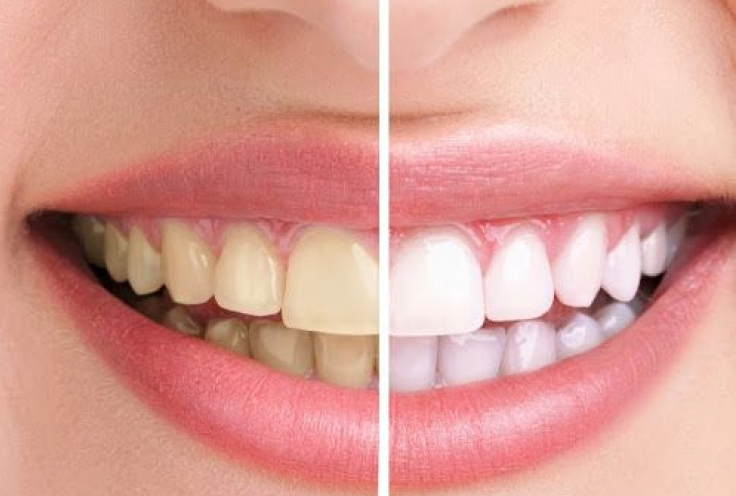
A discolored front tooth can be concerning, especially because it is visible when you smile, talk, or laugh. Many people worry whether it signals a serious dental problem or if it can be treated at all. The good news is that front tooth discoloration is common, and in most cases, there are safe and effective solutions available depending on the cause.
Symptoms and Causes of Front Tooth Discoloration
Front tooth discoloration can appear in different ways. Understanding the cause helps determine the right treatment.
Common Signs You May Notice
- A single front tooth appearing darker than the others
- Yellow, brown, gray, or black discoloration
- Color changes after dental treatment or injury
- A tooth that looks dull compared to the surrounding teeth
Possible Causes Behind the Discoloration
1. Tooth Trauma or Injury
A blow to the mouth can damage the inner tissue of the tooth, known as the pulp (the soft tissue inside the tooth). Over time, this may cause the tooth to turn gray or dark.
2. Previous Dental Treatment
Old fillings, especially metal-based fillings, or incomplete root canal treatment may cause internal discoloration.
3. Tooth Decay
Cavities on the front tooth can cause brown or black discoloration if left untreated.
4. Enamel Damage
Enamel is the outer protective layer of the tooth. When it becomes thin or damaged, the underlying dentin (a yellowish layer beneath enamel) becomes more visible.
5. Medications and Medical Conditions
Certain antibiotics taken during childhood or medical conditions affecting tooth development can lead to discoloration.
6. Poor Oral Hygiene Habits
Inadequate brushing and flossing allow plaque and stains to build up, affecting tooth color.
Treatment Options for a Discolored Front Tooth
Treatment depends on whether the discoloration is external (on the surface) or internal (inside the tooth).
1. Professional Teeth Whitening
If the discoloration is mild and surface-level, professional whitening may be effective. Unlike over-the-counter products, clinical whitening is controlled and safer for enamel.
Best for:
- Yellow or light brown stains
- Staining caused by food, drinks, or smoking
2. Internal Bleaching
For teeth that have darkened after trauma or root canal treatment, internal bleaching may be recommended. This involves whitening the tooth from the inside.
Best for:
- Gray or dark teeth after injury
- Discoloration following root canal treatment
3. Dental Bonding
Bonding uses a tooth-colored resin material applied to the front of the tooth to improve its appearance.
Best for:
- Mild to moderate discoloration
- Patients seeking a quicker cosmetic solution
4. Veneers
Dental veneers are thin, custom-made shells placed over the front surface of the tooth to improve color and shape.
Best for:
- Severe discoloration
- Teeth that do not respond to whitening
5. Dental Crowns
If the tooth is structurally weak or heavily damaged, a crown may be recommended. A crown covers the entire tooth.
Best for:
- Teeth with extensive damage or large fillings
- Discoloration combined with structural issues
A dentist will recommend the most suitable option after a proper examination.
Home Care Tips and Lifestyle Changes
While professional treatment is important, daily habits play a key role in preventing further discoloration.
What You Can Do at Home
- Brush twice daily using fluoride toothpaste
- Floss daily to remove plaque between teeth
- Limit consumption of staining foods and drinks such as tea, coffee, and cola
- Avoid tobacco products
- Rinse your mouth with water after consuming colored beverages
These steps help maintain results after treatment and prevent future staining.
When Should You See a Dentist?
You should consult a dentist if you notice any of the following warning signs:
- Sudden discoloration of a single tooth
- Discoloration accompanied by pain or sensitivity
- A history of trauma to the tooth
- Swelling or discomfort around the affected tooth
- Discoloration that does not improve with regular cleaning
Early evaluation helps identify whether the issue is cosmetic or related to an underlying dental condition.
Summary and Positive Takeaway
A discolored front tooth can affect confidence, but it does not always mean a serious problem. In many cases, discoloration can be treated safely and effectively with modern dental procedures. The key is identifying the cause early and choosing the right treatment option with professional guidance.
If you are concerned about the color of your front tooth, a proper dental assessment is the first step.
Book a consultation at Dentex today or call 01868-980020 to explore the most suitable treatment options for your smile.
References
American Dental Association (ADA) – Tooth Discoloration Causes and Treatments
Mayo Clinic – Tooth Discoloration