
General Dentistry
5 Min

Team Dentex
10/02/2026
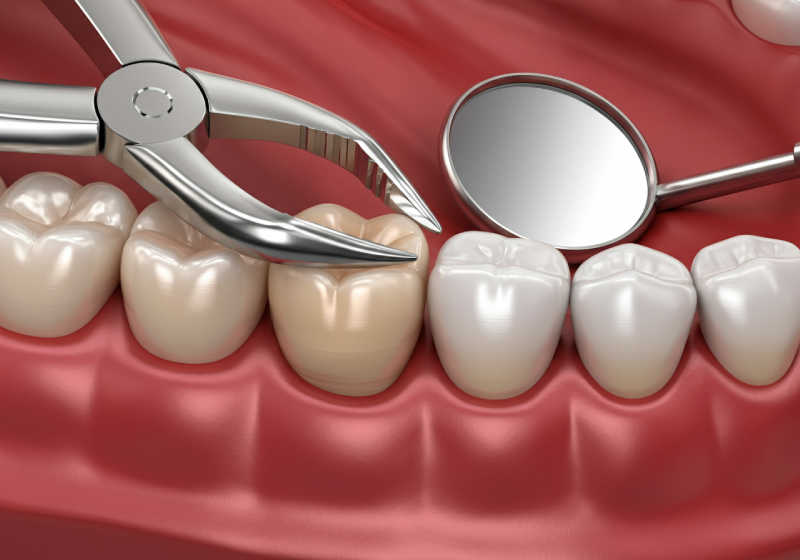
Have you ever felt a sharp, sudden pain while sipping hot coffee or enjoying ice cream? If so, you're not alone. Tooth sensitivity is a common dental problem that affects millions of people worldwide. The discomfort can range from mild to severe and may interfere with everyday activities like eating, drinking, or even brushing your teeth.
The good news is that tooth sensitivity is often treatable. Understanding the underlying cause is the first step toward finding the right teeth sensitivity treatment. Whether the discomfort is caused by worn enamel, gum recession, tooth decay, or another dental issue, early diagnosis can help prevent the condition from worsening.
In this guide, we'll explain the most common sensitive teeth causes, available treatment options, and practical ways to protect your teeth from future sensitivity.
Tooth sensitivity, also known as dentin hypersensitivity, is a short, sharp pain that occurs when the inner layer of the tooth, called dentin, becomes exposed. Dentin contains tiny channels that connect to the nerve inside the tooth. When these channels are exposed, hot, cold, sweet, acidic foods, or even cold air can trigger discomfort.
While occasional sensitivity may not always indicate a serious problem, persistent pain should never be ignored. It could be a sign of an underlying dental condition that requires professional treatment.
The symptoms can vary depending on the underlying cause. Common signs include:
Sharp pain when eating or drinking something cold
Pain when consuming hot foods or beverages
Sensitivity to sweet or acidic foods
Discomfort while brushing or flossing
Sudden pain when breathing in cold air
Temporary pain that disappears once the trigger is removed
If you're experiencing frequent tooth pain when eating cold food or notice tooth sensitivity to hot and cold, it's important to identify the cause rather than simply avoiding certain foods.
There are several reasons why your teeth may become sensitive. Identifying the exact cause helps determine the most appropriate treatment.
Tooth enamel is the hard outer layer that protects your teeth. Over time, enamel can wear away due to:
Frequent consumption of acidic foods and drinks
Aggressive brushing
Teeth grinding
Acid reflux
As enamel erosion exposes the dentin underneath, sensitivity becomes more noticeable.
Healthy gums cover and protect the roots of your teeth. When the gums recede, the tooth roots become exposed. Since the roots are not protected by enamel, they are much more sensitive to temperature changes.
Gum recession may result from:
Gum disease
Brushing too hard
Aging
Smoking
Poor oral hygiene
Cavities can weaken the protective structure of the tooth and expose the dentin, leading to increased sensitivity. In some cases, untreated decay may also cause persistent pain.
A cracked tooth can expose the sensitive inner layers of the tooth. Even a small crack may cause discomfort while chewing or when consuming hot or cold foods.
Grinding or clenching your teeth, especially during sleep, gradually wears away enamel. Over time, this increases the likelihood of sensitivity and other dental complications.
Some people experience temporary sensitivity after treatments such as:
Teeth whitening
Dental fillings
Professional cleaning
Crown placement
This type of sensitivity usually improves within a few days. However, if the discomfort continues, it's best to consult your dentist.
Using a hard-bristled toothbrush or brushing with excessive force can wear away enamel and contribute to gum recession. A soft-bristled toothbrush and gentle brushing technique are recommended.
You may be at greater risk if you:
Frequently consume soft drinks or citrus fruits
Brush aggressively
Have untreated gum disease
Grind your teeth at night
Smoke or use tobacco products
Have poor oral hygiene
Frequently undergo teeth whitening treatments
Recognizing these risk factors can help reduce the chances of developing sensitivity.
The right teeth sensitivity treatment depends on the underlying cause. A dentist will examine your teeth and recommend the most suitable solution.
Specially formulated toothpaste helps block the transmission of pain signals from the tooth surface to the nerve. Consistent use often provides noticeable improvement after several weeks.
Professional fluoride application strengthens enamel and helps reduce sensitivity by protecting exposed areas of the tooth.
If sensitivity is caused by cavities or worn tooth surfaces, a dental filling can restore the damaged area and eliminate discomfort.
When gum recession is responsible, treating gum disease or protecting exposed roots may significantly reduce sensitivity.
Bonding materials can cover exposed root surfaces and protect sensitive areas from external triggers.
If sensitivity is severe and the tooth nerve has been damaged, root canal treatment may be recommended to eliminate pain while preserving the natural tooth.
Although home care cannot replace professional treatment, it can help reduce discomfort.
Brush twice daily with a soft-bristled toothbrush.
Use toothpaste designed for sensitive teeth.
Avoid excessive pressure while brushing.
Limit acidic foods and sugary drinks.
Wear a night guard if you grind your teeth.
Maintain good oral hygiene by flossing daily.
Schedule regular dental check-ups.
These habits can help protect your enamel and lower the risk of future sensitivity.
In many cases, yes. Preventive dental care plays an important role in maintaining healthy teeth.
You can reduce your risk by:
Brushing gently using proper technique
Flossing every day
Limiting acidic beverages
Drinking plenty of water
Visiting your dentist regularly
Treating cavities and gum disease early
Avoiding tobacco use
Prevention is often easier and more affordable than treating advanced dental problems.
Occasional mild sensitivity may not be a cause for concern. However, you should schedule a dental appointment if:
Sensitivity lasts for several days or longer.
Pain becomes more intense over time.
You notice swelling or bleeding gums.
A tooth is cracked or chipped.
The pain interferes with eating or drinking.
Over-the-counter sensitive toothpaste does not improve symptoms.
Early diagnosis allows your dentist to identify the cause and recommend the most effective treatment before the condition worsens.
Sudden sensitivity may be caused by enamel erosion, gum recession, tooth decay, a cracked tooth, or recent dental treatment. A dental examination can determine the exact cause.
Mild temporary sensitivity may improve on its own, but persistent sensitivity usually requires professional evaluation and treatment.
The best treatment depends on the underlying cause. Options include desensitizing toothpaste, fluoride treatment, dental fillings, bonding, gum treatment, or root canal therapy in severe cases.
It can be. Tooth decay is one possible cause of sensitivity, especially if the discomfort occurs while eating sweets or drinking cold beverages.
Yes. Some whitening products may cause temporary sensitivity, which usually resolves within a few days after treatment.
Tooth sensitivity is a common problem, but it should never be ignored. Whether it's caused by enamel erosion, gum recession, tooth decay, or another dental issue, identifying the root cause is essential for choosing the right treatment.
Simple lifestyle changes, proper oral hygiene, and regular dental visits can help prevent sensitivity from becoming a long-term problem. If the discomfort persists or worsens, seeking professional care is the best way to protect your oral health and restore your comfort.
If you're experiencing persistent tooth sensitivity, don't wait for the pain to become worse. At DENTEX, our experienced dental professionals can identify the underlying cause of your discomfort and recommend the most suitable treatment for your needs.
Whether you need preventive care, restorative treatment, or expert advice, we're committed to helping you achieve a healthier, pain-free smile.
Book your appointment with DENTEX today and let us help you enjoy eating, drinking, and smiling with confidence again.